


Introduction
Over the past decade, cryptocurrencies have evolved from a niche technological experiment into a major component of the global financial ecosystem. As of January 2024, the global cryptocurrency user base has surpassed 580 million individuals, demonstrating the rapid expansion of digital assets across retail, institutional, and governmental sectors. Among these digital assets, Bitcoin continues to dominate both in market capitalization and in influence over broader cryptocurrency market trends.
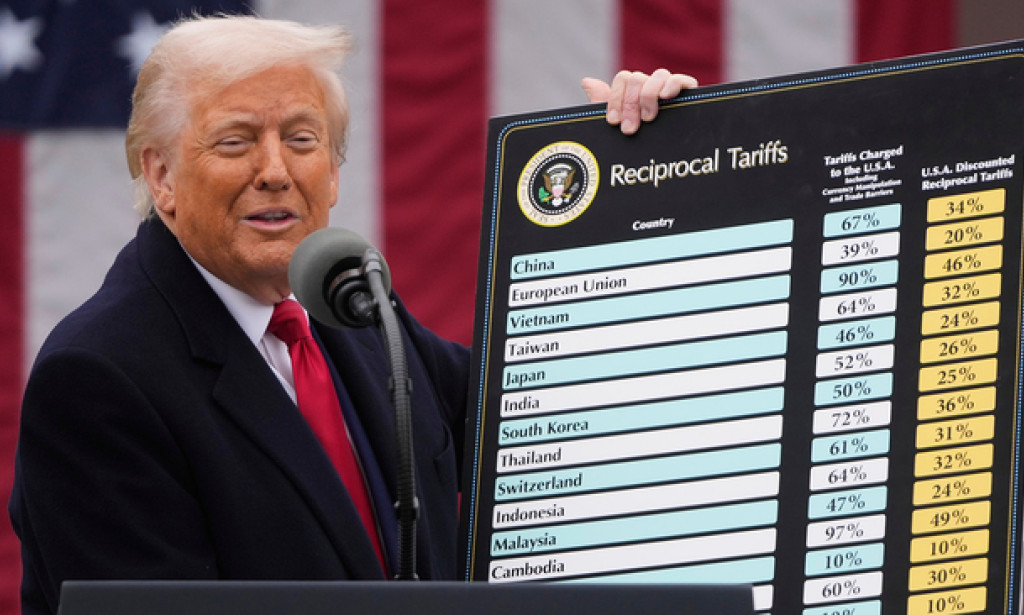
At the same time, global economic policies—particularly trade policies such as tariffs—are becoming increasingly relevant to the cryptocurrency market. Traditionally, tariffs have been associated with physical goods and international trade disputes. However, their indirect economic consequences can significantly influence financial markets, including digital assets.
Because Bitcoin is classified as a commodity in several jurisdictions, including the United States, macroeconomic policies that affect commodities, liquidity, and economic growth can also impact the cryptocurrency market. As governments continue to introduce or adjust tariffs in response to geopolitical and economic pressures, it becomes important to analyze how such policies may shape the short-term and long-term performance of Bitcoin and other digital assets.
This article provides a professional analysis of how tariffs may influence cryptocurrency markets, focusing on economic growth, inflation, interest rates, and Bitcoin’s evolving role as both a speculative asset and a potential financial hedge.
Understanding Tariffs and Their Macroeconomic Effects
Tariffs are taxes imposed by governments on imported goods. Their primary purpose is often to protect domestic industries, generate government revenue, or exert economic pressure during trade disputes. While tariffs directly affect international trade flows, their broader consequences can ripple through the entire economic system.
When tariffs increase, several economic outcomes commonly follow:
-
Rising costs for imported goods, which may lead to higher consumer prices.
-
Disruptions in global supply chains, affecting production and trade efficiency.
-
Reduced international trade volumes, potentially slowing economic growth.
-
Inflationary pressures, as businesses pass higher costs to consumers.
These macroeconomic changes can influence financial markets, including equities, commodities, and increasingly, cryptocurrencies. Because Bitcoin and other digital assets are often categorized as risk-sensitive investments, shifts in economic sentiment caused by tariffs can affect investor behavior.
Short-Term Effects of Tariffs on Bitcoin
In the short term, the introduction or escalation of tariffs may create unfavorable conditions for Bitcoin and other cryptocurrencies. Unlike traditional safe-haven assets such as gold, Bitcoin exhibits characteristics of both a growth asset and a speculative investment. This dual nature makes it particularly sensitive to economic cycles and shifts in market liquidity.
Several short-term outcomes may arise when tariffs are implemented or increased.
1. Slower Economic Growth
Tariffs can reduce global trade activity, which may weaken economic growth. When economic growth slows, investors often become more cautious and reduce exposure to higher-risk assets.
Cryptocurrencies, including Bitcoin, are frequently viewed as risk assets during uncertain economic periods. Consequently, investors may shift capital toward more stable investments such as government bonds, cash reserves, or traditional commodities.
This shift in investment behavior can temporarily reduce demand for Bitcoin, contributing to price declines or increased market volatility.
2. Inflationary Pressures
Tariffs can also increase inflation by raising the cost of imported goods and raw materials. Businesses facing higher import costs often pass those costs on to consumers in the form of higher prices.
Rising inflation can trigger speculation that central banks—particularly the U.S. Federal Reserve—may respond by increasing interest rates to control price growth. Higher interest rates typically reduce liquidity in financial markets, making borrowing more expensive and decreasing speculative investment activity.
Because cryptocurrencies often benefit from high liquidity environments, tighter monetary policy can temporarily weaken demand for Bitcoin.
3. Correlation With Equity Markets
Another factor that may contribute to short-term weakness in Bitcoin during tariff-driven economic stress is its historical correlation with technology-focused equity markets.
Bitcoin has frequently shown a measurable relationship with stock market indices, especially those representing technology and growth-oriented companies. When trade tensions or tariffs negatively affect equities, Bitcoin sometimes experiences similar downward pressure.
Currently, Bitcoin’s correlation with technology-focused stock markets sits at approximately 40 percent, significantly lower than its historical peak of around 72 percent. This decline suggests that Bitcoin is gradually developing a more independent market identity. However, the remaining correlation still means that negative sentiment in equities can influence cryptocurrency markets in the short term.
The Long-Term Outlook: Bitcoin in a Stagflation Scenario
While tariffs may initially create negative conditions for Bitcoin, the long-term implications could be more favorable. The key factor lies in how tariffs interact with broader economic conditions, particularly the risk of stagflation—a situation characterized by slow economic growth combined with rising inflation.
In a stagflationary environment, central banks face a difficult dilemma. Raising interest rates may help control inflation but could further weaken economic growth. Lowering rates might stimulate the economy but risk accelerating inflation.
If economic conditions deteriorate while inflation remains elevated, policymakers may eventually become unable or unwilling to continue aggressive interest rate hikes. When this shift occurs, financial markets often adjust rapidly.
For Bitcoin, this scenario could become a catalyst for renewed growth.
Monetary Policy Constraints
If the U.S. economy begins to weaken significantly due to prolonged trade tensions and tariffs, the Federal Reserve may be forced to reconsider strict monetary tightening policies. Once investors recognize that sustained interest rate increases are unlikely, liquidity expectations may improve.
Historically, cryptocurrencies have performed well during periods when liquidity expands or when investors anticipate future monetary easing.
Renewed Demand for Alternative Assets
In an environment where inflation remains high but traditional economic growth slows, investors frequently search for alternative stores of value.
Bitcoin’s limited supply—capped at 21 million coins—positions it as a potentially attractive asset during periods of currency debasement or prolonged inflation. As confidence in traditional financial systems fluctuates, digital assets may increasingly serve as a hedge against macroeconomic uncertainty.
Bitcoin’s Dual Identity: Risk Asset and Safe Haven
One of the most fascinating aspects of Bitcoin’s role in global finance is its dual identity. At times, it behaves like a high-risk speculative asset; at other moments, it demonstrates characteristics of a safe haven.
This dual behavior was particularly evident during the banking sector instability in March 2023. During that period, several regional financial institutions faced severe liquidity issues, prompting widespread concerns about the stability of traditional banking systems.
Instead of falling alongside equities, Bitcoin’s price rose significantly as investors sought alternatives outside the conventional banking infrastructure. This divergence highlighted Bitcoin’s potential to decouple from traditional financial markets under specific conditions.
Such episodes illustrate that Bitcoin is not simply another speculative technology asset. Rather, it occupies a unique position at the intersection of technology, finance, and macroeconomics.
Structural Factors Supporting Bitcoin’s Long-Term Growth
Beyond tariff-related economic dynamics, several structural factors continue to support Bitcoin’s long-term outlook.
Expanding Global Adoption
The growing number of cryptocurrency users worldwide demonstrates increasing mainstream acceptance. Retail investors, institutional funds, corporations, and even governments are exploring or adopting digital assets for various purposes, including payments, investment, and financial infrastructure development.
As adoption grows, Bitcoin’s market depth and resilience are likely to strengthen.
Institutional Participation
Institutional investors—including hedge funds, asset managers, and publicly traded companies—have increasingly incorporated Bitcoin into diversified investment strategies. Institutional involvement tends to improve market stability by introducing longer-term investment horizons and more sophisticated risk management practices.
Technological Infrastructure
The broader cryptocurrency ecosystem continues to develop rapidly, with improvements in security, scalability, and financial services built around digital assets. These innovations contribute to increased investor confidence and broader integration with traditional financial systems.
Potential Risks and Uncertainties
Despite its promising long-term outlook, Bitcoin remains subject to significant risks and uncertainties.
-
Regulatory changes could alter how cryptocurrencies are taxed, traded, or integrated into financial systems.
-
Market volatility remains a defining characteristic of digital assets.
-
Technological vulnerabilities, although increasingly rare, could still impact investor confidence.
-
Macroeconomic shocks, including severe global recessions, could temporarily reduce investment in risk assets.
Tariffs represent just one component of a complex global economic environment that continues to shape cryptocurrency markets.
Conclusion
The introduction or expansion of tariffs can influence cryptocurrency markets through a variety of indirect economic mechanisms. In the short term, tariffs may slow economic growth, increase inflationary pressures, and reduce investor appetite for risk assets such as Bitcoin. These conditions can temporarily weaken cryptocurrency prices, particularly when digital assets move in tandem with traditional equity markets.
However, the longer-term implications may be more nuanced. If tariffs contribute to prolonged economic stagnation combined with persistent inflation, policymakers may eventually face limitations in maintaining restrictive monetary policies. Under such circumstances, Bitcoin could benefit from renewed investor interest as a scarce, decentralized alternative to traditional financial assets.
Bitcoin’s evolving relationship with global markets demonstrates that it is no longer merely an experimental digital currency. Instead, it has become a complex financial instrument capable of responding to—and sometimes diverging from—traditional economic forces.
As trade policies, geopolitical tensions, and monetary strategies continue to reshape the global economy, understanding the interaction between tariffs and cryptocurrency markets will remain essential for investors, policymakers, and financial analysts alike.

You must be logged in to post a comment.